As always on my blog, I am speaking for myself only.
Yesterday, flickr launched their German service and at the same time, disabled access to pictures marked as "moderate" as well as "restricted".

flickr (speaking through staff member heather) justifies this as follows: "The central problem is that Germany has much more stringent age verification laws than its neighboring countries and specifies much harsher penalties, including jail time, for those with direct responsibility"
flickr users in Germany (and surrounding countries) complain about flickr's censorship policy.
What seems to have happened here is a misinterpretation of German law. (But please remember that IANAL, I am only spending 20% of my studies on law, not 100%)<!--more--> The law they are probably refering to is § 184 in the German criminal law ("spreading pornographic material"). According to this, someone is to be fined, or punished with a jail sentence of up to a year for showing/giving/selling pornographic material to a minor. This is the case on the internet as well, unless there are "effective measures" in place to keep minors from accessing the material.
There are several notes to make: In order for this law to be applicable, the content in question has to be pornography. The German definition for pornography is rather restrictive: It is material exclusively or most predominantly intended to cause sexual arousal in the viewer. This means that events like "Nipplegate" (and photos of them) are a non-issue here, legally (just like in many other places in the world). Also for example, showing a woman in the shower, as a TV commercial for shower gel, is perfectly acceptable. When it comes to act photography, the distinction is harder of course but the decision leans towards "art" if the aesthetic aspects of a picture are emphasized (art is protected by the German constitution).
Moreover, according to a commentary on the law in question, for a content provider on the internet (like flickr) to get punished, it is not enough if they could have assumed there might be such content on their page. Instead, positive knowledge is required, i.e. they need to know about a particular illegal picture, (probably) leaving them with the option to take it down ASAP when they find it or are informed about it.
In any case, "Possibly not suitable for the general public", which is the requirement for flickr's "moderate" setting, is about as far away from these requirements as it gets. Even "restricted" pictures (in flickr terms: "content you probably wouldn't show to your mum, and definitely shouldn't be seen by kids") are at least not generally violating German laws (quite the contrary, I assume).
Based on this, it doesn't seem surprising to me that a lot of paying, German customers (like me) are quite upset about flickr's most unprofessional way to handle a possible legal issue: by deciding to block many, many entirely harmless pictures from their sight. Some of the users even threaten to leave flickr very soon if they don't solve the problem within the next fourtysomething hours:
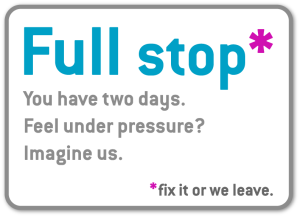 And while I am not as strict about the "two days" as others, I am certainly not going to prolong my flickr "pro" account if this absolutely unacceptable content filtering stays in place.
I think we can at least expect Yahoo to pick up a phone and call a German lawyer who can explain the law to them. When I look at how much their official statements sound like "we will all go to jail!", they can't possibly have done that.
And worst of all, at the moment, Yahoo/flickr is massively damaging the reputation of the German legal system in the world by making people believe the core of the problem is Germany's fault ("Oh Germany. Here we tried so hard to get past the whole "Hitler" thing and then we were so proud of you for tearing down your big ol' wall, but now you come up with this and we have to be worried all over again." is one of the nicer quotes here).
I hope this text helped some of my international friends (and other interested readers) understand the issue some more and maybe it keeps them from getting a wrong impression about Germany and its laws.
(Note, again, I am not a lawyer so none of this is legal advice.)